
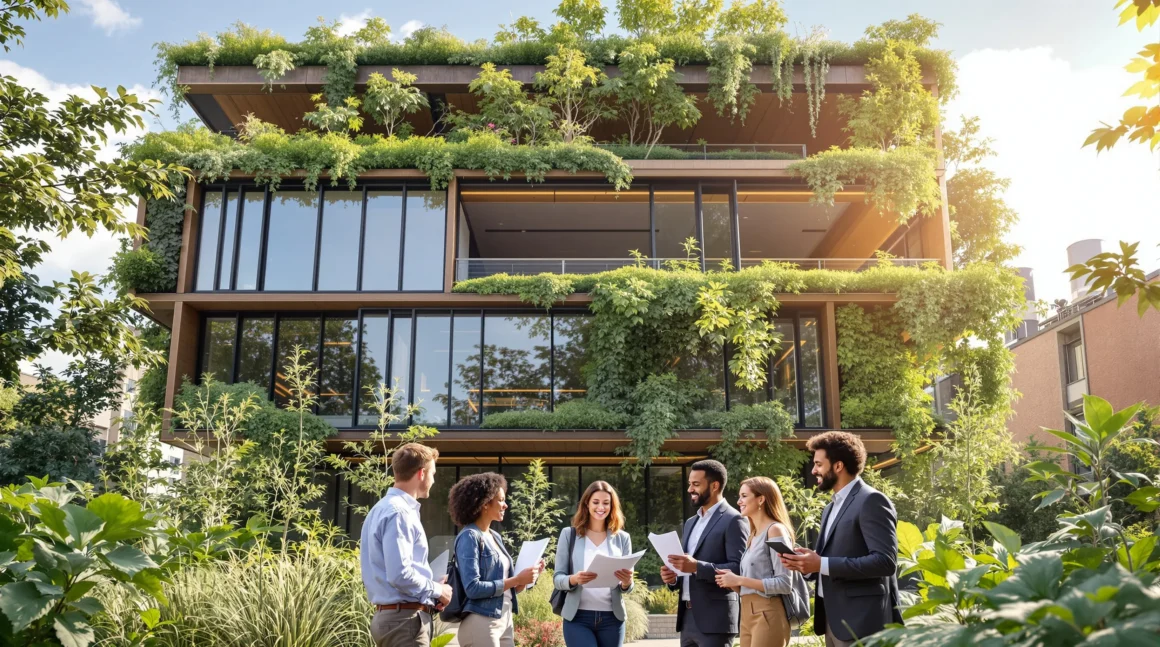
Picture this: You’re standing in a sunlit living room, barefoot on cool bamboo floors. The air feels fresh, not just because of the open windows, but because the walls themselves breathe. Outside, a green roof hums with bees. This isn’t a sci-fi fantasy—it’s modern sustainable architecture, and it’s changing how we live, one building at a time.
Why Modern Sustainable Architecture Matters Now
Let’s be honest. Buildings use a lot of energy. In fact, the construction and operation of buildings account for nearly 40% of global carbon emissions, according to the UN Environment Programme. If you’ve ever wondered why your city feels hotter every summer, or why your energy bills keep climbing, this is a big part of the story. Modern sustainable architecture isn’t just a trend—it’s a response to a real, urgent problem.
But here’s the part nobody tells you: Sustainable design isn’t about sacrificing comfort or style. It’s about making smarter choices that feel good now and pay off for years. If you care about your health, your wallet, or the planet, this is for you. If you think “green” means ugly or expensive, keep reading. You might be surprised.
What Makes Architecture “Modern” and “Sustainable”?
Modern sustainable architecture blends two big ideas. First, it uses today’s design tools—think open spaces, clean lines, and lots of glass. Second, it puts the planet first. That means using less energy, choosing better materials, and creating spaces that last.
- Energy efficiency: Smart insulation, triple-glazed windows, and solar panels cut energy use.
- Natural materials: Bamboo, reclaimed wood, and recycled steel replace concrete and plastic.
- Healthy spaces: Non-toxic paints, natural light, and good airflow make homes feel better.
- Water savings: Rainwater harvesting and low-flow fixtures keep waste down.
Here’s why this matters: Every choice, from the paint on the walls to the shape of the roof, adds up. Modern sustainable architecture isn’t just about the big stuff—it’s about the details you touch every day.
Real-World Examples: What Works (and What Doesn’t)
Let’s break it down with a few stories. In Singapore, the Oasia Hotel Downtown stands out with its living façade—over 21 species of plants climb the walls, cooling the building naturally. In California, the Bullitt Center claims to be the “greenest commercial building in the world,” running entirely on solar power and rainwater.
But not every project nails it. Some “green” buildings use fancy tech but forget about the basics, like good insulation or natural light. Others look great on paper but cost a fortune to maintain. The lesson? Modern sustainable architecture works best when it balances beauty, function, and real-world needs.
Common Mistakes and Lessons Learned
I’ll admit it: I once thought slapping solar panels on a roof made a building sustainable. Turns out, it’s not that simple. I’ve seen projects where expensive tech failed because nobody trained the staff. I’ve watched beautiful green roofs die because nobody watered them. If you’ve ever tried to “go green” and felt overwhelmed, you’re not alone.
The real secret? Start with the basics. Good design means using the sun for light and warmth, picking materials that last, and planning for how people actually live. Modern sustainable architecture isn’t about perfection—it’s about progress.
How to Spot (or Build) Truly Sustainable Spaces
If you’re shopping for a home, working with an architect, or just curious, here’s what to look for:
- Orientation: Does the building use sunlight to its advantage? South-facing windows can cut heating bills.
- Materials: Are floors, walls, and roofs made from renewable or recycled stuff?
- Air quality: Are there plants, natural ventilation, or air filters?
- Water use: Is rainwater collected? Are there low-flow toilets and showers?
- Energy: Are there solar panels, heat pumps, or smart thermostats?
Here’s a tip: Ask for proof. Certifications like LEED or Passive House aren’t perfect, but they show a real commitment to modern sustainable architecture.
Who Should Care About Modern Sustainable Architecture?
This isn’t just for architects or eco-warriors. If you want lower bills, healthier air, or a home that feels good year-round, modern sustainable architecture is for you. If you’re a landlord, it can mean higher rents and happier tenants. If you’re a city planner, it’s a way to fight heat waves and pollution.
But if you want the cheapest, fastest build possible, or you don’t care about long-term costs, this might not be your thing. That’s okay. Not every solution fits every person. But if you’re curious, even small changes—like better insulation or LED lights—can make a difference.
Action Steps: How to Get Started
Ready to bring modern sustainable architecture into your life? Here’s how:
- Start small. Swap out old bulbs for LEDs. Add a few houseplants. Fix drafts around windows.
- Ask questions. If you’re building or renovating, talk to your architect about energy use, materials, and water savings.
- Visit local green buildings. See what works in your climate and budget.
- Share your wins and mistakes. The more we talk about what works (and what doesn’t), the better everyone gets.
Next steps: Pick one thing from this list and try it this week. You don’t need to build a skyscraper to make a difference.
The Future: Where Modern Sustainable Architecture Is Headed
Here’s the wild part: The best ideas in modern sustainable architecture are still coming. Architects are experimenting with 3D-printed homes made from earth, algae-powered facades, and buildings that clean the air. Some of these will flop. Some will change everything.
If you’ve ever felt powerless about climate change, remember this: Every building is a chance to do better. Whether you’re designing a skyscraper or just picking out paint, your choices matter. Modern sustainable architecture isn’t about being perfect—it’s about building tomorrow, today.